How Does Period Swimwear Prevent Leaks in the Water?
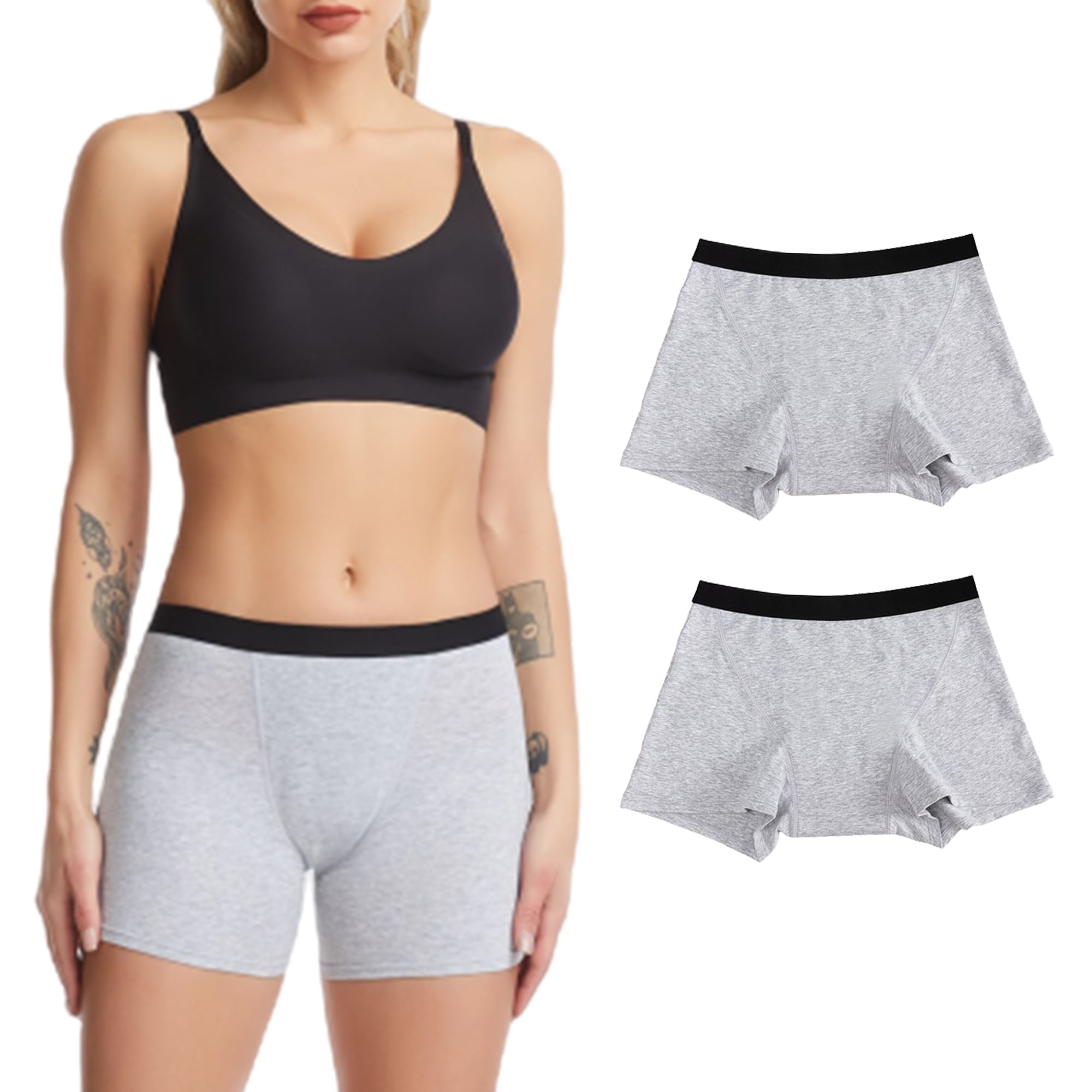
Period swimwear reduces leaks by combining an absorbent gusset, a waterproof or water-resistant barrier, fast-drying swim fabric, and a close fit around the legs. Current Modibodi swim products list capacities from 10–50 mL, while Knix describes some swim liners at roughly 3–6 teaspoons. FDA tampon classifications provide useful context: a regular tampon absorbs 6–9 g and a super tampon 9–12 g. The garment does not stop menstruation or keep every drop of pool water out. It limits external water entering the absorbent area while holding menstrual fluid inside the gusset.
The first job happens at the surface touching the body. Menstrual fluid reaches a thin liner that moves moisture toward a more absorbent textile underneath instead of leaving it concentrated near a leg opening. Menstrual fluid is not plain water; it contains blood, mucus, vaginal secretions, and endometrial material, so textile performance depends on fiber structure as well as simple absorbency. ACOG has reported an average menstrual blood loss of about 30 mL per cycle, while chronic losses above 80 mL have historically been associated with anemia.
That 30 mL reference helps explain why capacity labels matter more than broad terms such as “light” or “heavy.” A swimsuit holding 10 mL and another holding 50 mL may both be sold as period swimwear, but they offer very different margins for a long beach day. Modibodi currently lists selected swim products between 10 and 50 mL, with its higher-absorbency products reaching 50 mL.
The absorbent section cannot simply behave like a disposable pad, because a pad placed underwater can absorb surrounding water and lose useful capacity. Swimwear therefore surrounds or backs the absorbent material with water-resistant components. Modibodi describes a two-layer lining: an absorbent textile followed by a waterproof layer, while its outer fabric receives a water-repellent treatment. One current product uses 74% recycled nylon and 26% elastane in the main fabric, with an 85% recycled nylon and 15% elastane liner.
The useful distinction is not “absorbs blood but rejects water perfectly.” The garment manages two sources of liquid in different ways: menstrual fluid enters from the body side, while the construction tries to reduce how much pool or seawater reaches the storage layer from outside.
That distinction also explains why manufacturers use several layers rather than one thick absorbent panel. Knix describes a 3-layer swim liner with a skin-facing layer, an absorbent middle section, and a waterproof outer layer intended to reduce swelling. Its published absorbency information for some swim products is around 3–6 teaspoons, although capacity varies by style. A US teaspoon is about 4.93 mL, so 3–6 teaspoons is roughly 15–30 mL.
Fit then becomes part of fluid control. A highly absorbent insert cannot collect fluid efficiently if it hangs away from the body or leaves large gaps at the leg openings. Modibodi specifically states that its swimwear should fit snugly around the leg opening so the gusset functions while entering and leaving the water. A suit that is one size too loose may allow fluid to move toward an opening before it reaches the absorbent area.
The fit requirement becomes more important once the swimmer leaves the pool. Menstruation does not switch off underwater; the uterus continues shedding menstrual material. Water pressure around the body may make outward flow less noticeable during immersion, but the garment still needs to manage fluid when the wearer stands, walks, sits on a towel, or spends 20–30 minutes away from the water. The absorbent layer and waterproof backing remain in use during all of those transitions.
FDA tampon absorbency ranges offer a more standardized comparison than marketing claims expressed as “tampons worth.” FDA documents classify light tampons below 6 g, regular at 6–9 g, super at 9–12 g, and super plus at 12–15 g. A brand saying its swimsuit equals “5 tampons” is therefore less precise than stating 25 mL or 30 mL, because tampon size changes the comparison.
| Published measure | Approximate amount | Why it matters |
|---|---|---|
| FDA regular tampon | 6–9 g | Useful reference for absorbency claims |
| FDA super tampon | 9–12 g | Shows why “tampon equivalent” varies |
| Modibodi selected swimwear | 10–50 mL | Capacity differs substantially by style |
| Knix selected swimwear | about 3–6 tsp | Roughly 15–30 mL by volume |
| ACOG cited average cycle blood loss | about 30 mL | Gives context for total menstrual volume |
The table also shows why wear time cannot be predicted from capacity alone. Menstrual loss is not evenly distributed across a cycle. ACOG notes that needing to change menstrual products every 1–2 hours can indicate excessive flow, particularly when bleeding lasts longer than 7 days. Someone with faster flow may use much more of a 20 mL gusset during a one-hour swim than another person wearing the same product for three hours on a lighter day.
For that reason, period swimwear can be worn alone in some situations but not every situation. Knix states that its leakproof swimwear may be used alone on lighter days and paired with a tampon or menstrual cup on heavier days. Modibodi markets several absorbency levels, including products reaching 50 mL, but the stated number still represents finite storage rather than unlimited leak protection.
The same principle applies to period panties, but swimwear has an extra problem to solve: continuous contact with external water. Regular absorbent underwear is made mainly for dry land, while swim garments need water-resistant outer fabrics, stable stretch, and materials that dry reasonably fast after immersion. A swim liner that absorbed pool water as freely as an ordinary towel would lose a large share of its usable volume before menstrual fluid entered it.
Material choice therefore affects both comfort and function. One current Modibodi swim specification lists a 100% polyester gusset, recycled nylon/elastane outer layers, chlorine resistance, and water-repellent treatment. Elastane provides stretch and helps maintain close body contact, while nylon and polyester are widely used in swimwear because they can be made thin, durable, and relatively quick drying. A 26% elastane content in the cited outer fabric is also much higher than the stretch content found in many everyday underwear fabrics.
Water resistance should not be read as a claim that the inside remains dry. Water can still reach skin and fabric around the leg openings. The design tries to keep enough external water away from the absorbent section for that section to remain useful.
Care instructions matter because the fabric system depends on surface behavior and elastic recovery. Modibodi advises cold washing, line drying, and avoiding bleach, fabric softener, tumble drying, and ironing for selected swim products. Fabric softener can leave residues on textile surfaces, while repeated high heat can reduce the life of elastane and some bonded materials. A suit containing 15–26% elastane should therefore be treated differently from a basic cotton garment.
Chlorine exposure adds another reason to rinse after swimming. Pool water is commonly maintained with disinfectant chemicals, and repeated exposure can affect stretch fabrics over time. Rinsing in fresh water after each swim removes residual chlorine and salt before the garment dries. Manufacturers may use chlorine-resistant fabrics, but “resistant” does not mean unchanged after hundreds of hours of exposure.
A useful buying check is therefore numerical rather than promotional:
-
Compare the stated absorbency in mL or teaspoons, not only “light,” “moderate,” or “heavy.”
-
Check whether the absorbency figure is for the exact swim style; current listings range from about 10 mL to 50 mL among products from the same brand.
-
Use FDA ranges—6–9 g for regular and 9–12 g for super tampons—when judging tampon-equivalent claims.
-
Choose leg openings that remain close to the body when sitting, kicking, and climbing out of the pool.
-
Consider backup protection when flow is high or when access to a changing room will be limited for several hours.
A 50 mL product may provide far more reserve capacity than a 10 mL product, but neither removes the need to match absorbency with personal flow. ACOG's 30 mL average blood-loss figure refers to an entire cycle, not one swimming session, and individual patterns can differ considerably. Published garment capacity, secure fit, time in and out of the water, and correct washing practice are the measurable factors that determine how much protection the swimsuit can realistically provide.